Timetable
Ferries to Wangerooge
Timetable, fares and tickets for the ferry from Harlesiel to Wangerooge - everything you need for your journey to the car-free North Sea island
- Crossing from Harlesiel in about 50 minutes - island railway to the village included
- Tide-dependent timetable - up to 6 sailings a day in high season
- Tickets, luggage service and the Watt Sprinter can be booked online
Route map of Wangerooge
Taking the ferry to Wangerooge: every route at a glance
FAQ
Table of Contents
Ferry to Wangerooge - what to know about the crossing
The East Frisian island of Wangerooge is reached from the mainland mainly by ferry. It is operated by Schifffahrt und Inselbahn Wangerooge, which also runs the island railway. The ships sail from the harbour at Harlesiel according to the tide and take about an hour for the crossing. On arrival at the island jetty the journey continues on a small island railway into the island's centre. This combination of ship and train is the main link for visitors to the car-free North Sea island. The key information for planning your crossing is summarised below.
Harlesiel harbour and departure
Ferry services to Wangerooge start at Harlesiel harbour, near the village of Carolinensiel on the North Sea coast of Lower Saxony. The jetty can be reached by car or public transport. Since Wangerooge is closed to private vehicles, cars have to stay on the mainland. Paid car parks are available right at the harbour; the daily rates are on the fares page. Allow some time before departure to buy tickets and check in any luggage.
Timetable and tides
The ferries run to a tide-dependent timetable. Because the Wadden Sea is shallow, they can mainly sail around high water. That means departure times shift by about 50 minutes each day and are tied to the tides. In high season there are usually several crossings a day, correspondingly fewer out of season. Current sailing times are published annually in the timetable and should be checked before you travel. Storms or extreme weather can cause changes or cancellations. Watt Sprinter: a fast ferry called the Watt Sprinter supplements the regular service. This smaller vessel (around 50 seats) is largely independent of the tides and reaches Wangerooge in about 20 minutes. The Watt Sprinter runs to its own schedule and carries a fare supplement.
The crossing to the island
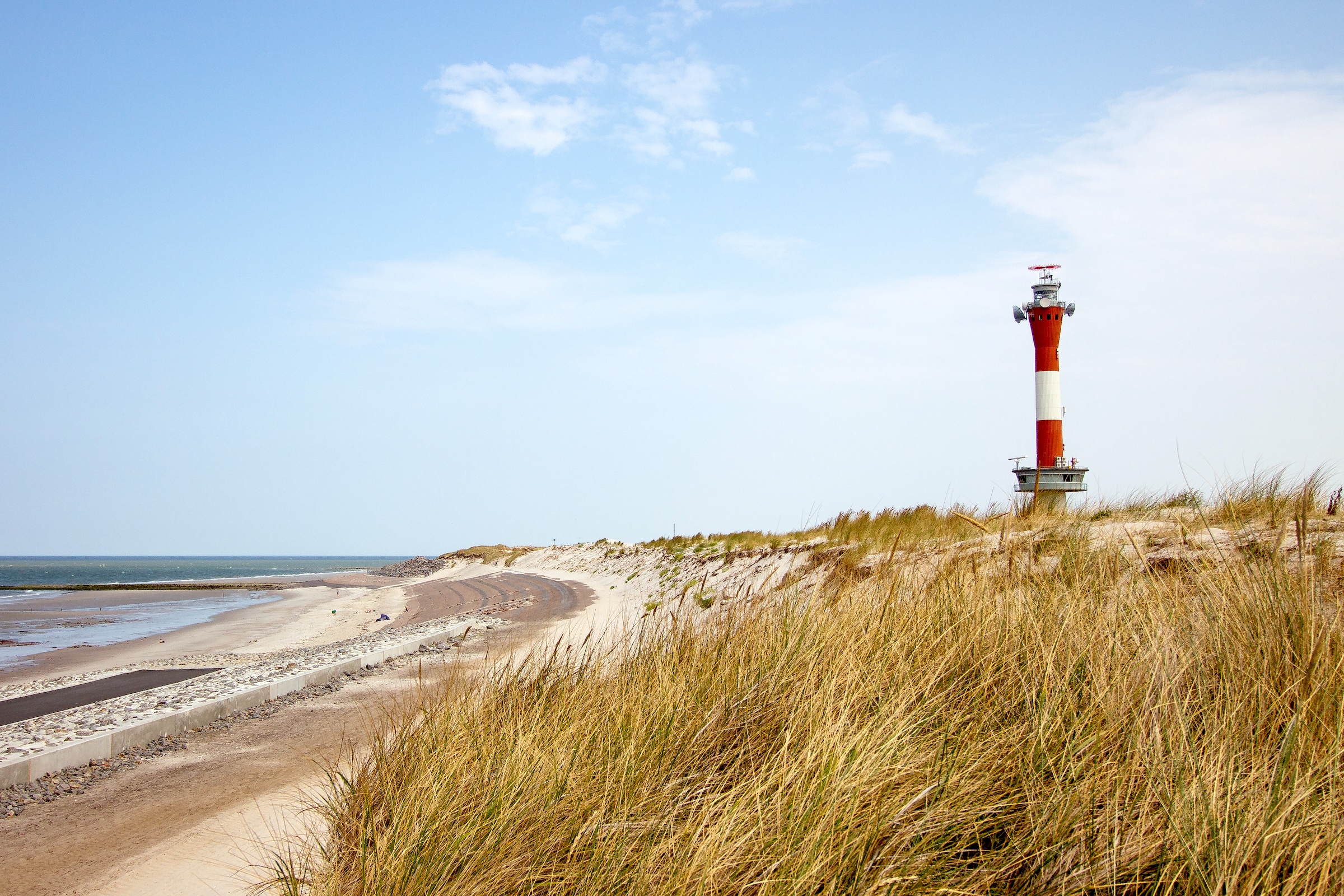
The route from Harlesiel to Wangerooge leads through the Wadden Sea, a UNESCO World Heritage Site, towards the open North Sea. The crossing by motor vessel takes about 60 minutes. The ship first follows the channel of the Harle, a tidal creek, before passing through the Harle fairway between Wangerooge and Spiekeroog. Seabirds, above all gulls, are a common sight along the way. With a little luck you will see seals on the surrounding sandbanks as the ship enters the island harbour. In stronger winds the swell can be noticeable on the open stretch, where the North Sea makes itself felt.
The island railway on Wangerooge
The ferry jetty on Wangerooge lies at the western end of the island, several kilometres from the main village. Passengers change directly at the jetty onto the island railway, which takes them into the village to Wangerooge station. The metre-gauge line ambles along at about 20 km/h through salt marshes and past a lagoon in the Lower Saxon Wadden Sea National Park. The train journey takes roughly 15 to 20 minutes. For visitors that means the whole journey - ferry plus island railway - takes around 90 minutes. Train times are matched to the ferry schedule and the trains wait for arriving ships. Note: a few places to stay in the west of the island, close to the jetty, can be reached on foot, but for most visitors the island railway is the necessary link into the village.
Tickets and fares
Ferry and island railway form a single journey, so tickets always cover both legs. They can be bought at the ticket desk in Harlesiel or online in advance. There are separate fares for overnight guests, for children aged 6 to 14, for dogs and for day visitors; the current amounts are on the fares page. On top of the ferry fare, overnight guests pay the local visitor's tax, which is settled separately. Booking early is advisable in the main travel season, as capacity is limited.
Luggage and travel notes
Special luggage rules apply on the Wangerooge ferries. Only a limited amount of hand luggage is allowed on board - larger suitcases travel as freight:
- Hand luggage: small bags and rucksacks (up to about 25 × 40 × 50 cm) may normally be carried, a maximum of 2 pieces per person.
- Checked luggage: larger items (over about 25 kg or very bulky) must be checked in at the harbour before departure. They travel in containers on the ferry and are carried for a fee (rates on the fares page).
- Pushchairs: prams and buggies can be taken on board free of charge.
- Handcarts and trailers: handcarts and bicycle trailers are not permitted on the passenger deck for reasons of space and safety and must be checked in as luggage.
- Bicycles and sports equipment: bicycles and surfboards are carried in limited numbers and for a supplement. There is no guaranteed carriage on every sailing; bicycles for the return trip often have to be handed in the day before.
On arrival at Wangerooge, checked luggage is returned to travellers at the island station. Alternatively you can book a paid door-to-door luggage service in advance, which delivers suitcases from the jetty to your accommodation and back. Because the ferry depends on the tide, check the current timetable and build in some slack. Aim to be at the harbour at least 30 minutes before departure - more in high season - so that check-in and luggage drop-off run smoothly. Note: besides the ferry there is also a flight connection from the nearby Harle airfield to the island. The flight takes only about 5 minutes but is more expensive and weather-dependent. For most visitors the ferry with the island railway remains the comfortable and scenic way to Wangerooge.
Getting to the ferry port
Wangerooge is served from Harlesiel near Carolinensiel. Because the island is closed to private vehicles, the drive ends here in any case.
Harlesiel ferry port
Google MapsMit der Bahn aus dem Süden
-
Via Oldenburg and Wittmund
Take the Intercity to Oldenburg, then the NordWestBahn via Sande to Wittmund. From there bus route 343 runs to the ferry jetty at Harlesiel.
Mit der Bahn aus dem Westen
-
Via Norden on the Bäderbus
Take the Intercity to Norden and continue on the Bäderbus K1 straight to the jetty at Harlesiel.
Mit dem Auto
-
As far as Carolinensiel
The harbour lies at the edge of Carolinensiel on the Lower Saxon North Sea coast and is signposted.
-
Parking at the harbour
Paid parking areas are available right at the harbour; the daily rates are on the fares page.
Vor der Abfahrt
-
Time for checking in luggage
Only two small bags per person are allowed on board; larger suitcases are checked in at the harbour beforehand. Allow time for that and be there at least 30 minutes before departure.
FAQ
Common questions about the ferry to Wangerooge
How long does the journey to Wangerooge take? +
The ferry from Harlesiel takes around 60 minutes, after which the island railway adds another 15 to 20 minutes from the jetty into the village. Allow about 90 minutes for the whole journey. The Watt Sprinter reaches the island in roughly 20 minutes.
Can I take my car to Wangerooge? +
No, Wangerooge is closed to private vehicles. The car stays on the mainland; paid car parks are available right at the harbour in Harlesiel.
Is the island railway included in the ferry ticket? +
Yes. Ferry and island railway form a single journey, and the ticket always covers both legs. The trains are timed to the ferry schedule and wait for arriving ships.
How often does the ferry to Wangerooge sail? +
It depends on the tide: several times a day in high season and correspondingly less often out of season. Because the ships sail around high water, departures shift by about 50 minutes each day - current times are in the timetable.
How much luggage can I bring? +
You may take a maximum of two small bags or rucksacks on board. Larger suitcases are checked in at the harbour before departure, travel in a container for a fee and wait for you at the island station. What that costs is on the fares page.